
3rd June 2026

Russia Reports Cosmodrome Damage After Joint Launch With US

Key Highlights

  • Baikonur Cosmodrome in Kazakhstan sustained damage after the Soyuz MS-28 launch carrying Russian and U.S. crew members.
  • Roscosmos says spare parts are available and repairs will be completed soon, though bloggers claim launches may be halted temporarily.
  • The mission successfully docked with the International Space Station (ISS) despite the incident.

On Thursday, the Soyuz MS-28 mission successfully lifted off from Baikonur Cosmodrome’s Site 31/6. It carried two Russian cosmonauts, Sergey Kud-Sverchkov and Sergey Mikaev, and one American NASA astronaut, Chris Williams, to the International Space Station (ISS).

The docking with the station occurred smoothly, marking another milestone in the long-standing cooperation between Russia’s space agency Roscosmos and its U.S. counterpart.

Yet within hours of lift-off, an inspection revealed damage to “a number of elements” of the launchpad, including critical structural components reportedly used to manage rocket exhaust and support ground infrastructure. Roscosmos announced that spare parts are available and repair work will begin soon.

The incident occurred shortly after the rocket blasted off from the Kazakhstan-based spaceport at 4:27 a.m. local time (0927 GMT).

Roscosmos Assures Quick Fix While Experts Raise Concerns

Despite acknowledging the damage, Roscosmos said repairs will begin immediately. According to the agency, “all necessary spare parts for repair are available, and the damage will be eliminated in the near future.”

However, several Russian space bloggers paint a more troubling picture, suggesting that the cosmodrome suffered serious structural damage that may force the agency to pause upcoming launches. If proven accurate, this could impact Russia’s near-term crewed and cargo missions.

Soyuz Crew Safely Arrives at the ISS

While the incident raised concerns about Russia’s aging space infrastructure, the Soyuz MS-28 mission itself proceeded smoothly. Roscosmos confirmed that the spacecraft successfully docked with the International Space Station (ISS) later the same day.

This launch is a reminder that space exploration remains one of the few active areas of cooperation between the U.S. and Russia, despite deep geopolitical tensions following Russia’s 2022 invasion of Ukraine.

Russia’s Space Program Faces Growing Pressure

Russia’s once-celebrated space sector has been hampered by underfunding and corruption scandals for years, reducing its reliability and global standing. Western nations have also scaled back partnerships with Roscosmos as part of sanctions imposed after the Ukraine war.

With the latest damage at Baikonur, concerns over the long-term sustainability of Russia’s space infrastructure are likely to intensify.

U.S. Thanksgiving Air Travel Hits 15-Year High Despite Recent FAA Shutdown

Key Highlights

  • More than 360,000 flights are scheduled during the Thanksgiving week, making it the busiest travel period in 15 years.
  • LAX alone expects 2.5 million passengers, with Sunday projected to be the single busiest day.
  • FAA urges travelers to “travel with confidence,” even after the government shutdown that temporarily disrupted air traffic.

Americans heading to Thanksgiving celebrations are facing the busiest travel period in over 15 years, according to the Federal Aviation Administration (FAA). Despite lingering concerns from the recent government shutdown, which forced temporary cuts in air traffic, demand for holiday travel has soared to pre-pandemic highs.

The FAA reported that more than 360,000 flights will operate from now through December 1. November 25 marked the peak of travel volume, with over 52,000 flights scheduled, which is one of the highest single-day totals of the year.

On Thanksgiving Day, flight activity dips to 25,611 flights, but post-holiday traffic will quickly surge again as millions of Americans return home.

Airports Brace for Heavy Crowds, Led by LAX

Los Angeles International Airport (LAX) is among the busiest hubs this holiday season. Airport officials expect 2.5 million travelers to pass through from November 20 to Monday. Sunday is projected as the busiest day, with more than 230,000 passengers expected across terminals.

Courtney Moore, deputy executive director of strategy, innovation, and experience at LAWA, said the airport spent the year improving passenger experience, ensuring smoother operations during one of its most crucial travel periods.

FAA Urges Travelers to Stay Confident Amid High Traffic

Just weeks ago, the federal government shutdown led the FAA to reduce air traffic nationwide to ease the burden on controllers. Although some travelers remain anxious about delays, FAA Administrator Bryan Bedford reassured passengers during a press briefing that the national aerospace system is “ready for the holiday rush.”

Bedford praised the “unwavering commitment” of FAA employees, noting that their efforts keep the system running safely during record-high travel periods.

To avoid stress, the FAA recommends travelers arrive early, pack light, and prepare for longer security lines.

How to Travel Smarter This Thanksgiving

If you’re flying this week, here are some helpful tips:

  • Arrive early, especially on peak travel days, to allow buffer time for security and delays.
  • Pack smart, keep baggage to a minimum, and check restrictions to speed up security clearance.
  • Monitor flights, airline apps, and notifications to be alerted to gate changes or cancellations.
  • Have backup plans. Consider alternate routes, flexible dates, or even switching to driving or train travel if possible.
  • Watch the weather forecast, especially in areas prone to winter storms. Have contingency plans if your region could be affected by snow or rain.

Weather May Cause Delays in Select Regions

While California will largely be warm and sunny through the holiday, weather-related delays may affect Northeast and Southern airports, including JFK, LGA, EWR, PHL, IAH, HOU, MEM, DFW, and DAL. Travelers are advised to closely monitor airline alerts.

Lilly Becomes First Drugmaker to Reach $1 Trillion Valuation as Weight-Loss Demand Surges

Key Highlights

  • Eli Lilly becomes the first pharmaceutical company to reach a $1 trillion valuation, driven by skyrocketing demand for its obesity and diabetes drugs.
  • Mounjaro and Zepbound outperform competitors, overtaking Merck’s Keytruda as the world’s best-selling drug.
  • Lilly and Novo Nordisk are expected to dominate a projected $150 billion global weight-loss drug market by 2030.

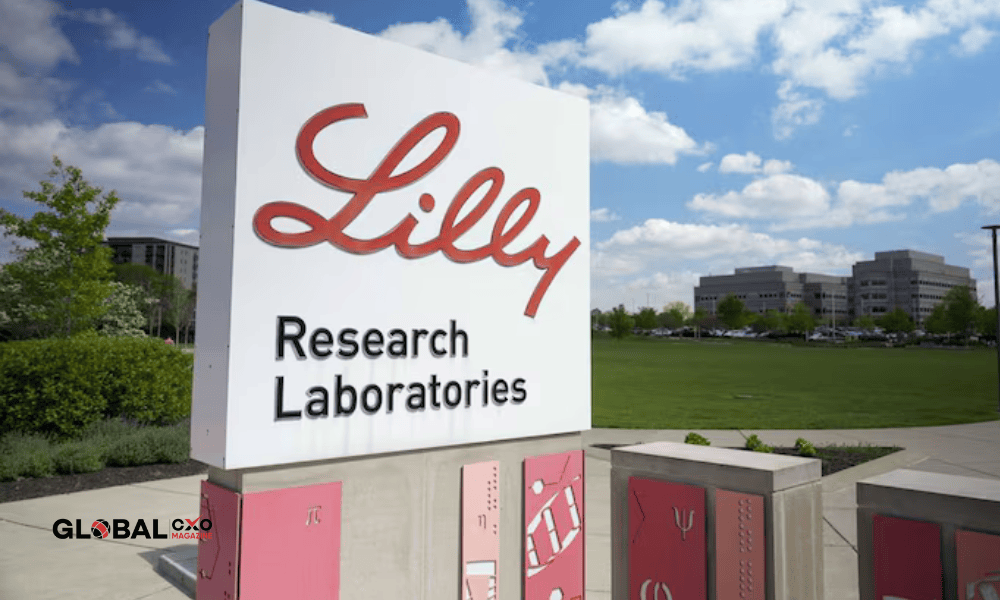
Eli Lilly has officially joined the elite $1 trillion market value club, becoming the first-ever drugmaker to achieve this milestone. The sharp rise reflects the company’s dominance in the fast-growing weight-loss and metabolic health market, which is transforming global healthcare and investor sentiment.

Lilly’s stock has rallied more than 35% in 2025, fueled by surging demand for its blockbuster drugs Mounjaro (for type 2 diabetes) and Zepbound (for obesity).

These GLP-1 treatments have rapidly become some of the most influential products in modern medicine, helping the company surpass even long-time industry giants.

Mounjaro and Zepbound Outpace Competitors

Sales of tirzepatide, marketed as both Mounjaro and Zepbound, have overtaken Merck’s Keytruda, making it the world’s best-selling pharmaceutical product.

While Novo Nordisk initially led the obesity drug revolution with Wegovy, supply shortages and manufacturing delays slowed the company’s momentum.

Lilly capitalized quickly by scaling production, broadening distribution, and demonstrating stronger clinical results in trials. As a result, it now leads the prescription market for obesity treatments, a sector analysts expect to reach $150 billion by 2030.

Lilly’s shares recently traded at nearly $1,051, reflecting investor confidence. The company now trades at a premium valuation of almost 50x forward earnings, according to LSEG data, signaling strong expectations for long-term demand.

Revenue Surges and Investors Look Ahead to Oral Obesity Drug

In its latest quarter, Lilly posted $10.09 billion in revenue from its obesity and diabetes portfolio, accounting for more than half of its total $17.6 billion in sales. Analysts say the company’s valuation reflects confidence in its long-term metabolic health franchise.

Investor attention is now shifting to orforglipron, Lilly’s highly anticipated oral obesity drug, expected to receive approval early next year. Citi analysts say the latest generation of GLP-1 drugs has already been a “sales phenomenon,” and orforglipron is positioned to expand access.Upcoming shifts, including a pricing agreement with the U.S. government and major investments in U.S. manufacturing, may pressure margins but significantly widen the treatment pool, adding up to 40 million new potential patients.

Merck-Eisai Kidney Cancer Drug Combo Hits Milestone, But Key Question Remains

Key Highlights

  • Merck and Eisai’s combination therapy (Welireg + Lenvima) achieved a major milestone by significantly extending progression-free survival in patients with advanced renal cell carcinoma, successfully meeting a primary endpoint in a late-stage clinical trial.
  • Overall survival (OS) improvement was observed but has not yet reached statistical significance, keeping a crucial endpoint pending.
  • Analysts note that the higher toxicity associated with Lenvima could affect overall survival outcomes, making complete analysis and subsequent data crucial for long-term success.

In a significant update from the oncology arena, Merck & Co. and Eisai Co., Ltd. announced that their combination treatment, using Welireg alongside Lenvima, successfully achieved one of its main goals in a late-stage study for advanced renal cell carcinoma (RCC). The trial compared the combo to cabozantinib (brand name Cabometyx), an approved drug for the disease.

The trial, which enrolled approximately 708 patients whose cancer had progressed following immunotherapy, demonstrated that the Welireg-Lenvima combo significantly extended progression-free survival compared with Cabometyx. Moreover, a higher proportion of patients experienced meaningful tumor shrinkage or complete response.

However, the overall survival endpoint, the gold standard in oncology, has not yet reached statistical significance, though the interim data show an encouraging positive trend.

Why This Matters for the Healthcare Sector

Progression-free survival is an important indicator in cancer treatment, showing that patients live longer without their disease worsening. Achieving improvement in PFS is a crucial milestone, but overall survival (OS) remains the ultimate test of a therapy’s value.

The early success of the Welireg-Lenvima combination reflects meaningful progress for renal cell carcinoma patients, yet analysts remain cautious.

According to Leerink Partners, the higher toxicity profile associated with Lenvima compared to Cabometyx could impact long-term outcomes. Managing these side effects effectively will be key to achieving favorable OS results in the next phase of analysis.

Market and Strategic Implications in Pharma

This development holds significant weight for Merck’s oncology strategy. With its blockbuster immunotherapy Keytruda facing patent expiry soon, Merck has a strong incentive to advance new oncology combinations.

The Welireg-Lenvima combination is a strategic move to reinforce Merck’s footprint in the pharmaceutical and healthcare markets, particularly in high-value cancer segments like kidney cancer.

If the overall survival data ultimately prove successful, the combo could capture substantial market share and potentially lead to label expansions.

For Eisai, this partnership underscores the company’s growing relevance in the global pharma innovation ecosystem, especially in precision oncology.

Looking Ahead

Merck and Eisai plan further analyses to evaluate OS in this trial, including examining which patient subsets benefited most and whether toxicity management can be optimized. The companies will likely submit the full data to regulators and pursue potential label expansions if outcomes remain favorable.

In short, the trial’s positive PFS result is a meaningful milestone, but the oncology community will be watching closely for ultimate OS data before declaring the combo a full success.

As the pharma and healthcare industries continue to pivot toward smarter, combination-based treatments, the Merck-Eisai alliance represents both scientific ambition and strategic foresight that could redefine standards in renal cell carcinoma therapy.

Unitree Robotics and NetEase Partner to Transform Robot Training Through Virtual Worlds

Key Highlights

  • Unitree Robotics partners with NetEase to use game-world simulations as a “digital proving ground” for advanced robot design and motion capture.
  • The partnership merges virtual simulation technology and AI development. This lets humanoid robots learn and adapt faster before real-world deployment.
  • The collaboration reflects a growing shift in the robotics industry, where gaming ecosystems and physical robotics increasingly intersect to speed innovation.

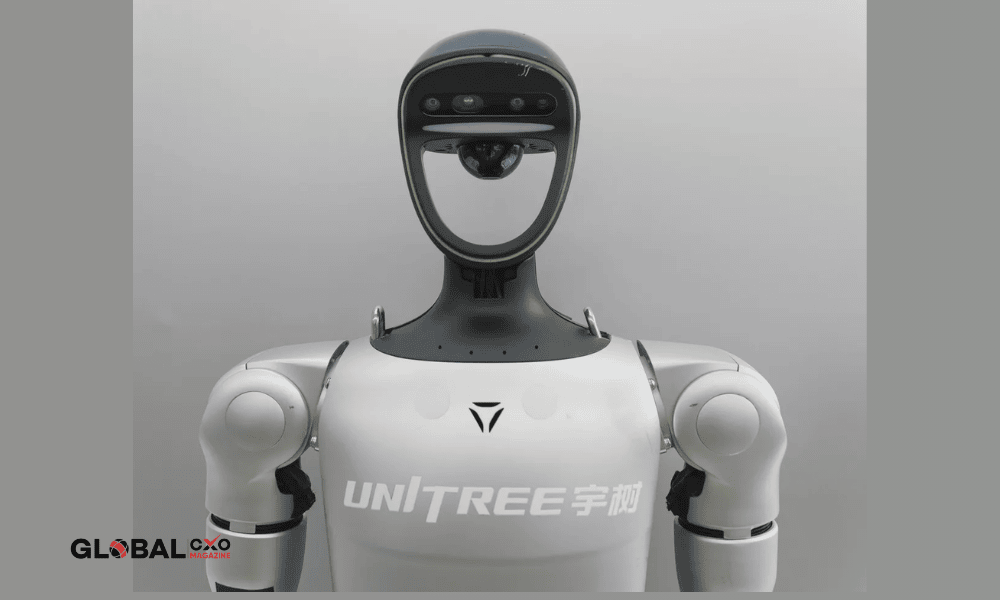
Chinese robotics leader Unitree Robotics has joined forces with gaming powerhouse NetEase. This collaboration helps Unitree to explore how virtual gaming environments can reshape the way robots are designed, trained, and deployed.

The initiative could pave the way for “MMO-to-robot training” frameworks, where the behaviors of millions of players indirectly shape the intelligence and agility of next-gen robots.

Unitree contributes its cutting-edge humanoid and quadruped robots in this setup, while NetEase provides dynamic, complex game environments filled with human-like movement, terrain diversity, and interaction scenarios.

According to TechNode, the virtual world acts as a digital proving ground where robots can refine their motion strategies before physical trials begin, significantly accelerating the R&D process.

Why This Collaboration Matters for the Robotics Industry

Traditional robot training requires extensive real-world testing, which is often expensive, slow, and limited by environmental constraints. In contrast, virtual environments allow developers to simulate millions of movement variations at scale, safely and repeatedly.

By using game-world simulations, Unitree’s humanoids can “practice” walking, turning, balancing, and object manipulation through player-driven motion capture data. These simulated lessons can then be transferred to the robots’ onboard AI systems, making real-world performance smoother and more reliable.

For example, motion capture from NetEase’s avatars could help improve the gait and agility of Unitree’s humanoids. Simulated edge cases, such as slippery floors, crowded areas, or sudden obstacles, can be recreated virtually at negligible cost. They provide robots with a richer training dataset than physical labs can offer.

From Virtual Worlds to Real Workspaces

If successful, this partnership could set a precedent for how next-generation robots are developed.

Robots trained partly within immersive virtual worlds may soon transition into workplaces, homes, and entertainment venues with more human-like fluidity and responsiveness.

As the robotics industry continues to evolve, the bridge between digital environments and physical machines could redefine how we teach robots to move, think, and interact.

With Unitree and NetEase combining the strengths of gaming and robotics, the next leap in human-robot collaboration may begin not in a lab, but inside a video game world.