
3rd June 2026

Sun Pharma Showcases Robust Dermatology & Immunology Data at 2026 Winter Clinical Miami

Key Highlights

  • Sun Pharma announced on 19 abstracts to be presented across psoriasis, alopecia areata, and acne portfolios.
  • New real-world and long-term data shared for ILUMYA®, LEQSELVI™, and WINLEVI®.
  • Focus on patient-centered outcomes and clinical decision-making insights.

Sun Pharma, a leading pharmaceutical company, announced it will present 19 abstracts, including new clinical and real-world findings, at the 2026 Winter Clinical Miami meeting, taking place February 27-March 1 in Aventura, Florida. The data span the company’s dermatology and immunology portfolio, reinforcing its focus on generating meaningful evidence across chronic skin and autoimmune conditions.

According to Ahmad Naim, MD, Senior Vice President and North American Chief Medical Officer, the presentations reflect the company’s patient-first approach in advancing evidence for alopecia areata, plaque psoriasis, and acne. He emphasized that continued scientific research plays a critical role in informing treatment decisions for dermatology clinicians.

ILUMYA® (tildrakizumab-asmn): Expanding Real-World Psoriasis Evidence

ILUMYA data at the conference will include new real-world analyses examining biologic use patterns and continuity of care in patients with moderate-to-severe plaque psoriasis, particularly among older and clinically complex Medicare populations.

Additional presentations evaluate real-world effectiveness, treatment persistence, and patient-reported outcomes across different geographic regions and prior biologic experience. These findings aim to provide practical insights into how ILUMYA performs outside controlled clinical trial settings, reflecting everyday dermatology practice in the United States.

ILUMYA is approved for adults with moderate-to-severe plaque psoriasis who are candidates for systemic therapy or phototherapy. It works by selectively targeting the IL-23 pathway, a key driver of inflammatory processes in psoriasis.

LEQSELVI™ (deuruxolitinib): Advancing Treatment in Severe Alopecia Areata

LEQSELVI will be featured in 10 abstracts, highlighting data that demonstrate early and sustained scalp hair regrowth in patients with severe alopecia areata.

Pooled analyses from the Phase 3 THRIVE-AA1 and THRIVE-AA2 trials show consistent efficacy across subgroups, including patients with varying disease durations and those with eyebrow, eyelash, and nail involvement. Additional findings explore maintenance of hair regrowth following dose reduction or discontinuation.

The company will also present results from a landmark survey examining discrepancies between patient and clinician perspectives on treatment priorities, awareness, and disease impact, offering broader insight into unmet needs in alopecia areata care.

LEQSELVI is an oral JAK1/JAK2 inhibitor approved for adults with severe alopecia areata.

WINLEVI® (clascoterone cream 1%): Supporting Inclusive Acne Care

WINLEVI data will include new 52-week open-label findings from a pilot study in patients with skin of color, demonstrating sustained improvements in acne severity with a consistent safety and tolerability profile.

Combination studies presented at the meeting show that integrating WINLEVI into multimodal acne regimens, alongside clindamycin/benzoyl peroxide or adapalene, may enhance treatment outcomes. Additional data highlight reductions in facial sebum production following long-term treatment.

WINLEVI is a topical androgen receptor inhibitor indicated for acne vulgaris in patients aged 12 and older.

Strengthening Specialty Dermatology Leadership

As the world’s leading specialty generics company, Sun Pharmaceutical Industries continues to expand its global specialty portfolio, particularly in dermatology and immunology.

The breadth of data presented at Winter Clinical Miami underscores the company’s commitment to delivering robust clinical evidence and real-world insights to support dermatologists in optimizing patient outcomes across chronic skin diseases.

Google Partners With ISTE+ASCD to Deliver Free Gemini AI Training to 6 Million U.S. Educators

Key Highlights

  • Free Gemini AI training will be available to all 6 million U.S. K-12 and higher education educators.
  • The program includes access to Gemini, NotebookLM, structured modules, and micro-credentials.
  • Initiative positions AI literacy as a system-wide priority rather than an optional add-on.

Google has partnered with ISTE+ASCD to provide free Gemini AI training to all six million K–12 teachers and higher education faculty in the United States, signaling a large-scale commitment to AI literacy across the education system.

The initiative will make Google’s AI tools, including Gemini and NotebookLM, available alongside structured professional development modules tailored for classroom application.

Posting on LinkedIn, Ruth Porat, President and Chief Investment Officer at Alphabet and Google, described the effort as the largest initiative of its kind. She emphasized that AI’s impact in education depends heavily on teacher readiness, stating that ensuring educator preparedness will allow more than 74 million students to use AI tools safely, thoughtfully, and effectively.

For Google, the message is clear: meaningful AI adoption in schools hinges on empowering educators first.

Designed for Real-World Classrooms

Google for Education says the modules are intentionally concise and flexible, addressing concerns that existing AI training programs are often too time-intensive or disconnected from daily teaching realities.

Chris Phillips, Vice President and General Manager of Education at Google, characterized the rollout as structural rather than symbolic. He described it as “free, comprehensive Gemini training to all 6 million K–12 and higher education faculty in the U.S.”, calling it the largest initiative of its kind.

Training materials are being developed in alignment with ISTE+ASCD’s “Profile of an AI Ready Graduate” framework and educator standards. Practical use cases will include:

  • Creating personalized lessons using assessment data
  • Using Gemini as a study coach in large lecture environments
  • Adapting curriculum for diverse learning needs
  • Enabling students to generate customized study materials through NotebookLM

Educators who complete the modules will receive micro-credentials demonstrating AI literacy using Google tools.

Mounting Pressure on Educators

Richard Culatta, CEO of ISTE+ASCD, framed the initiative as a direct response to growing classroom pressures. He noted that many teachers are being asked to integrate AI without adequate training.

According to Culatta, without proper support, students may lack the guidance necessary to use AI responsibly and creatively. The partnership aims to ensure every educator has foundational AI training, strengthening both instructional quality and student preparedness.

Rollout and Broader Momentum

The program is expected to roll out in the coming months, further embedding generative AI tools into mainstream education workflows.

As AI continues reshaping how students learn and how teachers deliver instruction, this initiative marks a shift toward structured, system-wide implementation by positioning AI literacy as a foundational competency in modern education rather than a supplementary skill.Wish to know more updates in the education industry? Read EdTech news.

NASA Rolls Artemis II Moon Rocket Back for Additional Repairs

Key Highlights

  • NASA rolled the 322-foot Space Launch System rocket back to the Vehicle Assembly Building for repairs.
  • Malfunctions in the helium system and earlier hydrogen leaks forced the delay.
  • The Artemis II crewed lunar flyby is postponed until at least April.

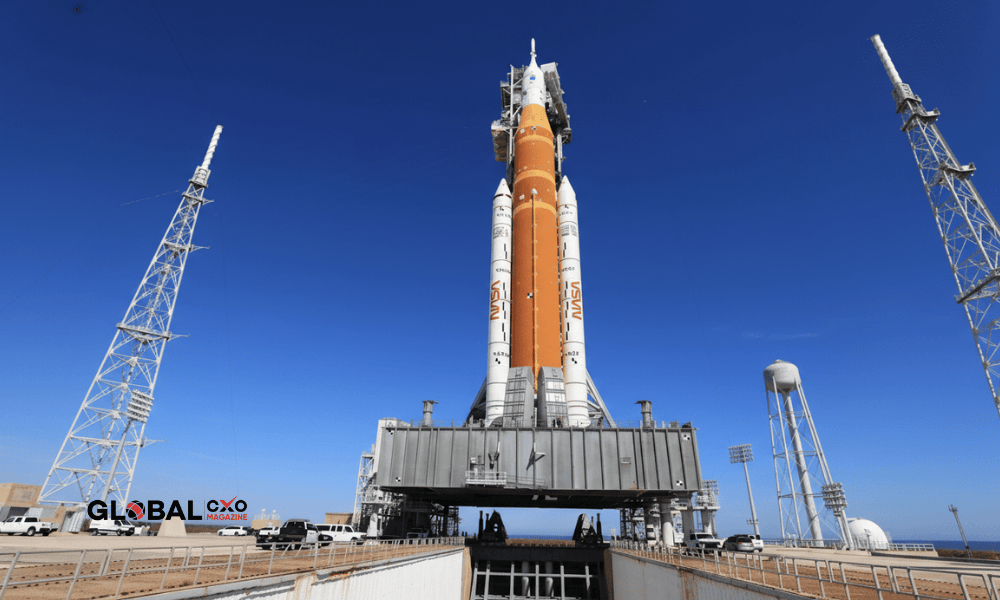
NASA moved its grounded Artemis II moon rocket off the launch pad to its hangar on Wednesday, returning it to the Vehicle Assembly Building for additional inspections and more repairs. 

The slow-moving rollback, carried out by NASA’s massive crawler-transporter, covered approximately four miles and was expected to take most of the day.

The 322-foot (98-meter) Space Launch System (SLS) rocket had remained at the pad for nearly a month while engineers prepared for a potential launch window. However, a malfunction in the rocket’s helium pressurization system prompted mission managers to order the rollback over the weekend to allow technicians closer access to critical components.

Series of Delays Pushes Launch Timeline

The helium issue follows earlier complications involving hydrogen fuel leaks, which had already delayed the mission by about a month. Launch teams were targeting March for Artemis II, the first crewed lunar mission in decades, but the latest technical concerns have pushed the timeline to at least April.

Helium is essential for maintaining pressure within the rocket’s propellant tanks, ensuring fuel flows properly during launch. Any irregularities in the system require thorough inspection to prevent potential risks during liftoff.

NASA officials emphasized that safety remains the top priority, particularly for a crewed mission of this magnitude.

Mission Significance and What Comes Next

The Artemis II mission will send a four-member U.S.-Canadian crew on a lunar flyaround, testing life-support systems and spacecraft performance before a future lunar landing mission. The flight marked a major milestone in NASA’s broader Artemis program, which aims to establish a sustainable human presence on the moon and lay the groundwork for eventual missions to Mars.

With the rocket back inside the assembly building, engineers will conduct detailed diagnostics, replace or repair faulty components, and re-test systems before setting a new launch date. While delays are not uncommon in complex space missions, NASA officials maintain that resolving these issues on the ground ensures greater reliability once the rocket leaves Earth.

Despite the setback, momentum behind the Artemis program remains strong, with NASA reaffirming its commitment to returning astronauts to deep space safely and successfully.

Amazon in Early Talks to Invest Up to $50 Billion in OpenAI, Source Says

Key Highlights

  • Amazon is in early talks to invest as much as $50 billion in OpenAI.
  • The move could make Amazon the largest contributor in OpenAI’s latest funding round.
  • OpenAI is seeking up to $100 billion in funding, with a valuation nearing $830 billion.

Amazon is in discussions to invest tens of billions of dollars in OpenAI, with the potential investment reaching as high as $50 billion, according to a source familiar with the matter.

The talks are still at an early stage, and the final size and structure of the investment have not yet been determined.

If completed at the upper end of the range, the deal would mark one of the largest investments ever made in an artificial intelligence company and position Amazon as the biggest contributor to OpenAI’s ongoing fundraising efforts.

Neither Amazon nor OpenAI commented on the discussions when contacted.

Intensifying Competition in the AI Race

The potential investment comes as major technology firms and global investors race to deepen their ties with OpenAI, betting that closer alignment with the ChatGPT-maker will provide a competitive edge in the rapidly evolving AI market.

OpenAI has been spending heavily on data centers and computing infrastructure as demand for advanced AI models accelerates.

Reuters reported earlier this week that OpenAI is seeking to raise up to $100 billion in new funding, valuing the company at approximately $830 billion.

SoftBank Group is reportedly in talks to invest an additional $30 billion, while OpenAI is also laying the groundwork for a potential initial public offering that could value the company at as much as $1 trillion.

According to the Wall Street Journal, Amazon CEO Andy Jassy is personally leading the discussions with OpenAI CEO Sam Altman.

Strategic Implications for Amazon

A major investment in OpenAI would further expand Amazon’s footprint in artificial intelligence, particularly as competition intensifies with rivals such as Microsoft and Google.

Amazon is already a significant investor in Anthropic, having committed roughly $8 billion to the AI startup, which was recently valued at $183 billion.

Anthropic has emerged as a strong competitor to OpenAI, driven by growing enterprise adoption. The company has forecast that its annualized revenue run rate could more than double, or even nearly triple, by 2026 to around $26 billion.

Other Tech Giants Circle OpenAI

Amazon is not alone in exploring deeper financial ties with OpenAI. Nvidia, Amazon, and Microsoft are all reportedly in talks to invest up to $60 billion collectively in the AI company, according to The Information.

Nvidia, whose chips power many of OpenAI’s models, is said to be considering an investment of up to $30 billion, while Microsoft is reportedly discussing an investment of less than $10 billion.

As the AI arms race accelerates, OpenAI’s ability to attract unprecedented levels of capital underscores both the scale of its ambitions and the strategic importance of AI leadership among the world’s largest technology companies.

Read more news about firms related to the retail industry.

Propy Raises $100 Million to Automate and Consolidate Real Estate Closings With AI

Key Highlights

  • Propy secures a $100 million credit facility from Metropolitan Partners Group.
  • Funding will support the acquisition of title and escrow firms across multiple U.S. states.
  • The company aims to reduce real estate closing costs using AI-driven automation.

Propy is a technology company combining artificial intelligence and blockchain to modernize real estate transactions. It has secured a $100 million credit facility from Metropolitan Partners Group. The financing will be used to acquire and consolidate licensed title and escrow companies into a single, AI-enabled closing platform.

The move comes as the U.S. housing market faces growing pressure to improve affordability and reduce transaction friction.

Real estate closings often involve numerous intermediaries and manual workflows, pushing total costs close to 10% of a home’s value. In many cases, closing fees exceed the buyer’s down payment, eroding years of savings.

Propy says its platform is designed to address one of the most persistent barriers to homeownership: inefficient and costly closing processes.

AI Agents and Automation at the Core

At the center of Propy’s strategy is an AI agent that performs several functions traditionally handled by escrow officers. These include monitoring emails, opening transactions around the clock, checking bank account activity, and coordinating with lenders and homeowners’ associations.

According to the company, automation can reduce manual workloads by up to 70% at acquired firms. This allows teams to process higher volumes while improving margins.

Blockchain technology is used as a supporting infrastructure to enhance auditability and settlement security.

Since 2021, Propy has processed more than $5 billion in transaction volume, with activity roughly doubling year over year.

Roll-Up Strategy Gains Momentum

Propy has attracted strong inbound interest for its national roll-up strategy.

In recent weeks, the company completed a second acquisition valued at $5 million and entered a letter of intent for a third $6 million deal. Its active acquisition pipeline currently totals approximately $75 million.

The company plans to acquire title and escrow businesses generating between $5 million and $20 million in annual revenue, initially targeting states such as California, Texas, and Tennessee. Local teams will be retained, while workflows are upgraded with AI-driven systems.

Founder and CEO Natalia Karayaneva said Propy is building infrastructure that enables real estate transactions to operate more like modern financial markets: AI-enabled and more liquid.

Investor Confidence and Growth Outlook

Metropolitan Partners Group structured the facility around licensed, cash-flowing title businesses, offering built-in downside protection. Managing Partner Paul Lisiak said the firm was drawn to the durability of title operations and Propy’s practical approach to applying AI in a regulated industry.

Propy is targeting approximately $100 million in additional annual revenue through continued consolidation. The company is backed by investor Tim Draper and advised by former U.S. Treasury and SEC officials, reinforcing its ambition to reshape how residential real estate transactions are completed in the U.S.

Ex-Google GM & VP Peeyush Ranjan Launches AI-First EdTech Startup Fermi.ai in the US and India

Key Highlights

  • Former Google and Airbnb executive Peeyush Ranjan has launched AI-first edtech startup Fermi.ai.
  • The platform focuses on deep conceptual understanding rather than instant answers.
  • Fermi.ai begins with high school Math, Physics, and Chemistry across the US and India.

Fermi.ai is a global AI-first edtech startup headquartered in Singapore. It has officially launched its personalised learning platform for high-school STEM students through subsidiaries in the United States and India.

The company is led by Peeyush Ranjan, former GM & VP at Google and Airbnb and former CTO of Flipkart, and has emerged from the Meraki Labs ecosystem, where Ranjan partners with entrepreneur Mukesh Bansal.

Unlike most AI-powered learning tools that prioritise speed and instant answers, Fermi.ai is designed to emphasize understanding, reasoning and mastery.

The platform is built around the concept of “productive struggle,” encouraging students to work through problems step by step rather than rely on shortcuts.

“AI has made hard things easy for all of us. But as lifelong learners, we saw that this process of making hard things easy could hamper learning, unless AI is used the right way,” said Peeyush Ranjan, CEO, Fermi.ai and Partner, Meraki Labs. “The industry has spent years building AI that gives answers. We built Fermi.ai to do the opposite: to protect the ‘productive struggle’ that leads to actual mastery. We want to use AI to keep the brain working, not give it a reason to switch off.”

Built for Deep Learning, Not Shortcuts

Fermi.ai’s platform is structured around four core pillars. At its centre is an adaptive real-time tutor that guides students through problems without directly revealing solutions. Instead of acting like a chatbot, the tutor offers stepwise coaching aligned with proven pedagogical methods.

A handwriting-first experience allows students to work naturally with equations, diagrams and chemical structures using digital ink and stylus input. This is complemented by a concept-driven question bank, aligned with major curricula such as AP, IB, and JEE, ensuring students are always presented with the next most relevant challenge.

An advanced diagnostics and analytics layer gives students and educators visibility into exactly where reasoning breaks down, enabling targeted intervention rather than generic feedback.

Empowering Teachers and Classrooms

Beyond student learning, Fermi.ai aims to transform classroom teaching. Its “Classroom Command” feature gives educators insight into silent struggles, highlighting misconceptions students may never articulate. This allows teachers to address gaps early and personalise instruction at scale.

“We have entered an era where AI can solve any equation, but it can’t yet explain why a student’s logic faltered at step three,” added Mukesh Bansal, Partner, Meraki Labs. “Fermi.ai isn’t here to give answers; it’s here to provide the map and the mirror – showing students how they think and giving teachers the visibility to lead them back to the path of mastery.”

Strong Early Results

Ahead of its public launch, Fermi.ai ran a three-month pilot involving 79 students and over 15,000 concept tests. Results showed measurable gains in mastery, particularly among students who initially struggled.

Learners who engaged deeply with the platform demonstrated improved scores and reduced reliance on hints, signalling stronger conceptual understanding.

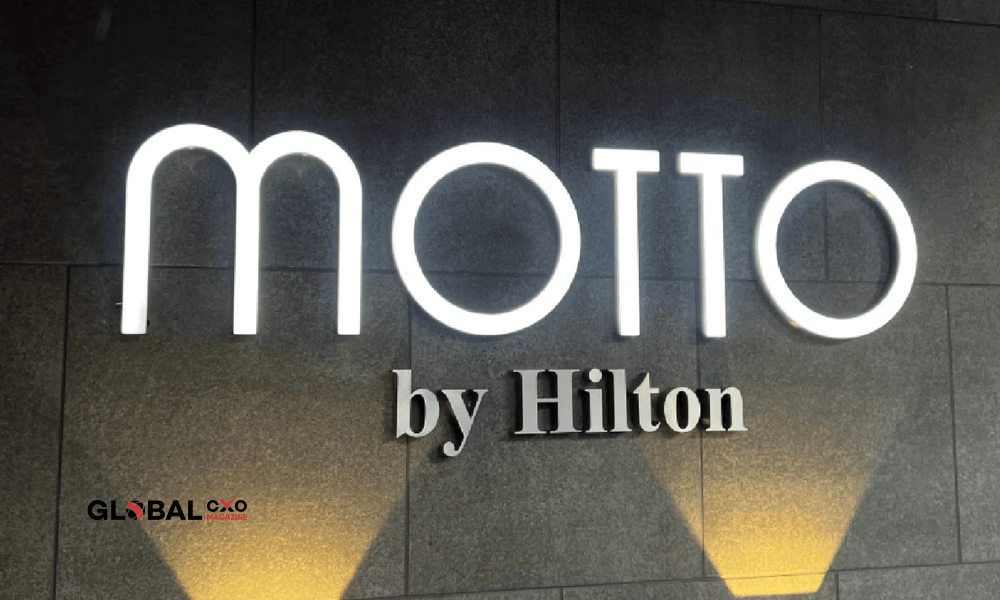
Apple Hospitality REIT Acquires Motto by Hilton Nashville Downtown for $98.2M

Key Highlights

  • Apple Hospitality REIT acquired the 260-room Motto by Hilton Nashville Downtown for approximately $98.2 million, or $378,000 per key.
  • The newly constructed hotel opened this week and is located near major Nashville entertainment and convention attractions.
  • Strong RevPAR performance in Nashville’s downtown market reinforces the REIT’s confidence in long-term operating returns.

Apple Hospitality REIT has acquired the Motto by Hilton Nashville Downtown in Tennessee for approximately $98.2 million, according to a company press release issued Monday. The purchase price equates to roughly $378,000 per room.

The 260-room hotel, which broke ground last year, officially opened this week. It is located within walking distance of major landmarks, including the Country Music Hall of Fame and Museum, Bridgestone Arena, Ryman Auditorium, Music City Center, and popular attractions along Broadway and Riverfront Park.

Newly Built Property Targets High-Demand Urban Travelers

The property features Motto by Hilton’s Confirmed Connecting Room capabilities, allowing guests to link up to six rooms simultaneously. This design supports group travel and flexible accommodations, aligning with evolving urban hospitality trends.

Apple Hospitality said the acquisition introduces a new and complementary brand to its primarily rooms-focused portfolio, enhancing diversification while maintaining alignment with its core investment strategy.

Nashville RevPAR Outperforms Industry Benchmarks

According to data from STR, a CoStar subsidiary, RevPAR in Nashville’s central business district and downtown submarket averaged approximately $211, representing about 110% above industry RevPAR.

The region’s RevPAR also stood approximately 79% higher than Apple Hospitality’s overall portfolio RevPAR for the same period, highlighting Nashville’s strong operating fundamentals.

Nelson Knight, president of real estate and investments for Apple Hospitality, cited resilient leisure demand, supported by entertainment and sports venues, alongside strengthening business travel, driven by corporate relocations to Nashville’s business-friendly environment.

Portfolio Growth and Long-Term Outlook

Knight added that the company is confident the property’s location, just blocks from Broadway, will help drive strong operating performance over the long term.

Following the acquisition, Apple Hospitality’s portfolio now includes 217 hotels with 29,580 keys, spanning 84 markets across 37 states and the District of Columbia. The portfolio consists of 96 Marriott-branded hotels, 115 Hilton-branded hotels, five Hyatt-branded properties, and one independent hotel.

Conclusion

The acquisition underscores Apple Hospitality REIT’s strategy of expanding in high-growth urban markets with strong demand fundamentals.

With Nashville continuing to outperform industry benchmarks and the Motto brand appealing to modern, experience-driven travelers, the company is well-positioned to benefit from sustained leisure and business travel demand while strengthening the long-term performance of its diversified hotel portfolio.

Sale of 100+ J.C. Penney Stores to Onyx Partners Falls Through

Key Highlights

  • A $947 million deal to sell 119 J.C. Penney stores to Onyx Partners has been terminated, according to a regulatory filing.
  • The transaction faced repeated delays, with the final deadline set for late December but ultimately unmet.
  • Concerns over property valuation, financing, and J.C. Penney’s performance may have contributed to the deal’s collapse.

A proposed deal to sell a portfolio of more than 100 J.C. Penney stores to private equity firm Onyx Partners has fallen through, according to a regulatory filing from Copper Property CTL Pass Through Trust.

The trust, which was created during J.C. Penney’s 2020 bankruptcy, announced in July that Onyx would acquire 119 stores for $947 million, with an expected closing in September. However, the transaction was delayed multiple times and ultimately did not close by the agreed deadline.

A recent filing indicates the agreement would be terminated if the sale did not close by the Friday following Christmas, effectively ending the deal.

Deal Faced Pricing and Portfolio Scrutiny

Copper Property was established to manage leases for 160 retail stores and six distribution centers, with a mandate to sell the properties to third-party buyers as quickly as possible.

When the Onyx deal was announced, Copper Property executives faced investor questions about the scale of the portfolio, pricing, and strategic approach. The average sale price under the agreement was approximately $8 million per property, which was at least $2 million lower than prior Copper-facilitated transactions.

Some investors also questioned whether converting the portfolio into a real estate investment trust (REIT) could have generated greater long-term value.

Possible Reasons Behind the Collapse

While neither Copper Property nor Onyx Partners commented on the reasons for the deal’s failure, retail real estate experts suggest several possibilities.

Nick Egelanian, president of retail development firm SiteWorks, said the breakdown could stem from lender hesitation, concerns over the underlying real estate value, or uncertainty around J.C. Penney’s operating performance. He noted that it may also be a combination of these factors.

J.C. Penney Performance and Ownership Context

J.C. Penney’s sales continued to decline throughout the year, although losses narrowed in the second quarter and the retailer briefly returned to profitability. Management attributed the improvement to better markdown discipline and tariff mitigation, though the company does not report comparable-store sales.

At the start of the year, J.C. Penney came under the control of Catalyst Brands, a joint venture formed in an all-equity transaction with Sparc Group. Shareholders include Simon Property Group, Brookfield Corporation, Authentic Brands Group, and Shein.

Catalyst Brands also operates several apparel brands, including Aéropostale, Brooks Brothers, Eddie Bauer, Lucky Brand, and Nautica, with intellectual property owned by Authentic Brands Group.

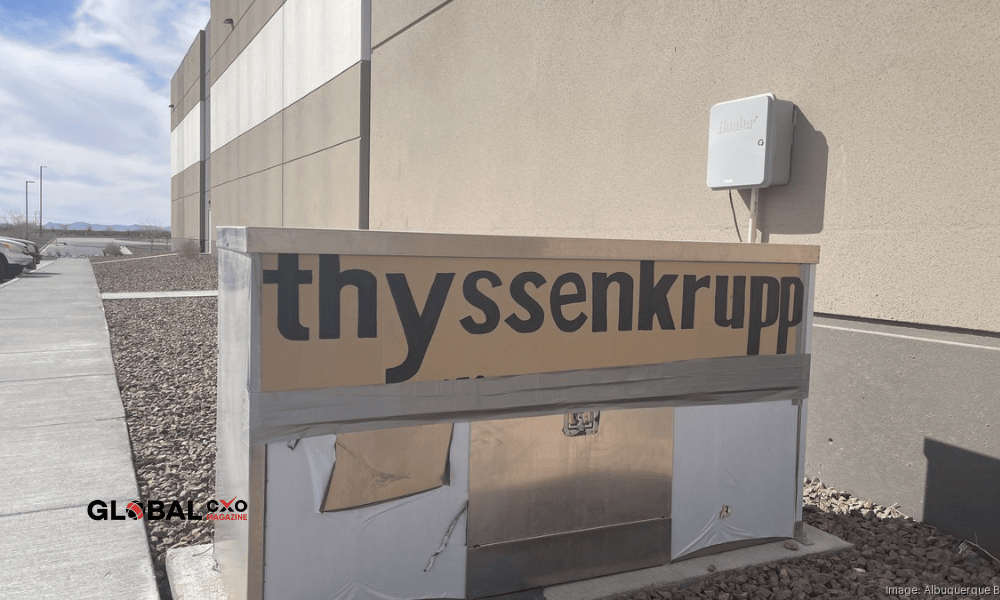
ThyssenKrupp Subsidiary Rotek Inc. to Close Florence Manufacturing Facility in 2026

Key Highlights

  • Rotek Inc. will shut down its Florence, Kentucky, manufacturing facility in 2026, impacting 77 employees.
  • Layoffs will occur in phases between February and September 2026, according to a WARN notice filing.
  • The closure is part of an operational consolidation with ThyssenKrupp’s Aurora, Ohio, facility.

Rotek Inc., a manufacturing unit owned by Germany’s industrial giant ThyssenKrupp, will permanently close its manufacturing facility in Florence, Kentucky, in 2026.

The company confirmed that 77 employees working at the site located at 8085 Production Drive will be laid off as part of the shutdown, underscoring continued pressures on U.S. manufacturing bases and strategic shifts within global supply chains.

According to a WARN notice filed with the Kentucky Career Center’s Office of Employer & Apprenticeship Services, the closure will be implemented in stages. Layoffs are scheduled to begin on February 13, 2026, and conclude by September 16, 2026. Affected employees have been notified and will be laid off as part of the process.

Facility Produces Critical Industrial Components

The facility, located at 8085 Production Drive, specializes in the production of slewing bearings and related components, including ball and roller slewing bearings and wire-race slewing bearings. These components are widely used in cranes, wind turbines, tunneling machines, and other heavy industrial applications.

Rotek’s products play a key role in large-scale infrastructure and renewable energy projects, particularly in wind power equipment manufacturing.

Consolidation of Operations Cited as Reason for Closure

In a letter submitted through the state’s WARN Notice System, a ThyssenKrupp representative stated that the closure is part of a broader effort to consolidate operations between Florence, Kentucky, and Aurora, Ohio.

While the company did not provide further details on future production plans, the move reflects ongoing restructuring efforts within global industrial manufacturing as companies streamline operations and adjust to shifting market conditions.

Broader Manufacturing Trends

The closure of the Florence plant is part of a larger pattern of manufacturing readjustments in the U.S. as companies optimize supply chains and concentrate production where they see long-term strategic advantages.

Rotek’s decision follows years of investments in its Ohio operations, including expansions to meet growing demand for slewing ring bearings and other heavy mechanical parts.

Impact and Next Steps

The closure will have increased activity in job retraining and assistance initiatives aimed at helping employees transition to new roles or industries.

For now, Rotek and parent ThyssenKrupp say they remain committed to their broader operations in the region, even as they shift production out of Florence to maintain competitiveness in a rapidly evolving global market.

JPMorgan Explores Cryptocurrency Trading for Institutional Clients

Key Highlights

  • JPMorgan Chase is exploring cryptocurrency trading services for its institutional clients, according to a Bloomberg report.
  • The initiative is still early. JPMorgan will only move forward if enough clients actually want these services.
  • The move signals accelerating institutional adoption of digital assets, as major Wall Street banks expand crypto offerings.

JPMorgan Chase is the largest bank in the United States. It is considering offering cryptocurrency trading services to its institutional clients, according to a Bloomberg News report. The potential move reflects Wall Street’s growing engagement with digital assets as demand from institutional investors continues to rise.

The bank is reportedly assessing what services its market business could introduce to expand its footprint in cryptocurrencies. These offerings may include spot trading and derivatives, although discussions are still preliminary. According to the report, concrete plans will depend on whether there is sufficient demand for specific crypto-related products.

JPMorgan did not immediately respond to a request for comment, and the report could not be independently verified.

Institutional Crypto Adoption Gains Momentum

JPMorgan’s potential launch comes amid a broader trend in which established financial institutions are increasing their participation in digital assets.

Competitor Morgan Stanley plans to introduce cryptocurrency trading for its E*Trade platform in early 2026 through a partnership with Zerohash, marking growing institutional services in the space.

The move also follows other significant steps by JPMorgan into the crypto ecosystem this year, including launching a tokenized money market fund on blockchain networks and supporting partnerships designed to make crypto easier for clients to access and use.

JPMorgan’s Broader Blockchain Strategy

JPMorgan has already demonstrated a growing interest in blockchain-based financial infrastructure. Earlier this month, the bank arranged a short-term bond issuance for Galaxy Digital on the Solana blockchain, signaling practical use of distributed ledger technology beyond experimentation.

The bank has also been involved in developing internal blockchain and tokenization initiatives, reflecting a strategic approach that combines cautious risk management with innovation in financial markets.

Crypto Market Size Reinforces Institutional Appeal

The global cryptocurrency market is currently valued at approximately $3.1 trillion, according to CoinGecko data. Bitcoin, the world’s largest cryptocurrency, accounts for nearly $1.8 trillion of that total market capitalization.

As digital assets continue to mature and attract institutional capital, major banks like JPMorgan appear increasingly motivated to provide regulated access to crypto markets. While still early, JPMorgan’s exploration of crypto trading services underscores how traditional finance is steadily integrating digital assets into mainstream market offerings.