
Key Highlights
- A $947 million deal to sell 119 J.C. Penney stores to Onyx Partners has been terminated, according to a regulatory filing.
- The transaction faced repeated delays, with the final deadline set for late December but ultimately unmet.
- Concerns over property valuation, financing, and J.C. Penney’s performance may have contributed to the deal’s collapse.
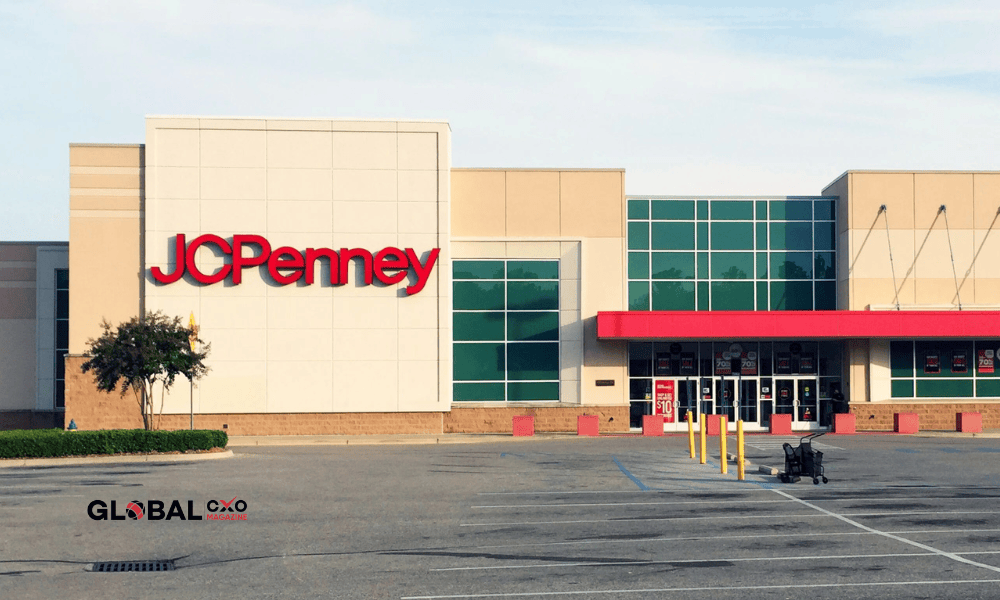
A proposed deal to sell a portfolio of more than 100 J.C. Penney stores to private equity firm Onyx Partners has fallen through, according to a regulatory filing from Copper Property CTL Pass Through Trust.
The trust, which was created during J.C. Penney’s 2020 bankruptcy, announced in July that Onyx would acquire 119 stores for $947 million, with an expected closing in September. However, the transaction was delayed multiple times and ultimately did not close by the agreed deadline.
A recent filing indicates the agreement would be terminated if the sale did not close by the Friday following Christmas, effectively ending the deal.
Deal Faced Pricing and Portfolio Scrutiny
Copper Property was established to manage leases for 160 retail stores and six distribution centers, with a mandate to sell the properties to third-party buyers as quickly as possible.
When the Onyx deal was announced, Copper Property executives faced investor questions about the scale of the portfolio, pricing, and strategic approach. The average sale price under the agreement was approximately $8 million per property, which was at least $2 million lower than prior Copper-facilitated transactions.
Some investors also questioned whether converting the portfolio into a real estate investment trust (REIT) could have generated greater long-term value.
Possible Reasons Behind the Collapse
While neither Copper Property nor Onyx Partners commented on the reasons for the deal’s failure, retail real estate experts suggest several possibilities.
Nick Egelanian, president of retail development firm SiteWorks, said the breakdown could stem from lender hesitation, concerns over the underlying real estate value, or uncertainty around J.C. Penney’s operating performance. He noted that it may also be a combination of these factors.
J.C. Penney Performance and Ownership Context
J.C. Penney’s sales continued to decline throughout the year, although losses narrowed in the second quarter and the retailer briefly returned to profitability. Management attributed the improvement to better markdown discipline and tariff mitigation, though the company does not report comparable-store sales.
At the start of the year, J.C. Penney came under the control of Catalyst Brands, a joint venture formed in an all-equity transaction with Sparc Group. Shareholders include Simon Property Group, Brookfield Corporation, Authentic Brands Group, and Shein.
Catalyst Brands also operates several apparel brands, including Aéropostale, Brooks Brothers, Eddie Bauer, Lucky Brand, and Nautica, with intellectual property owned by Authentic Brands Group.